
Ra
Ra
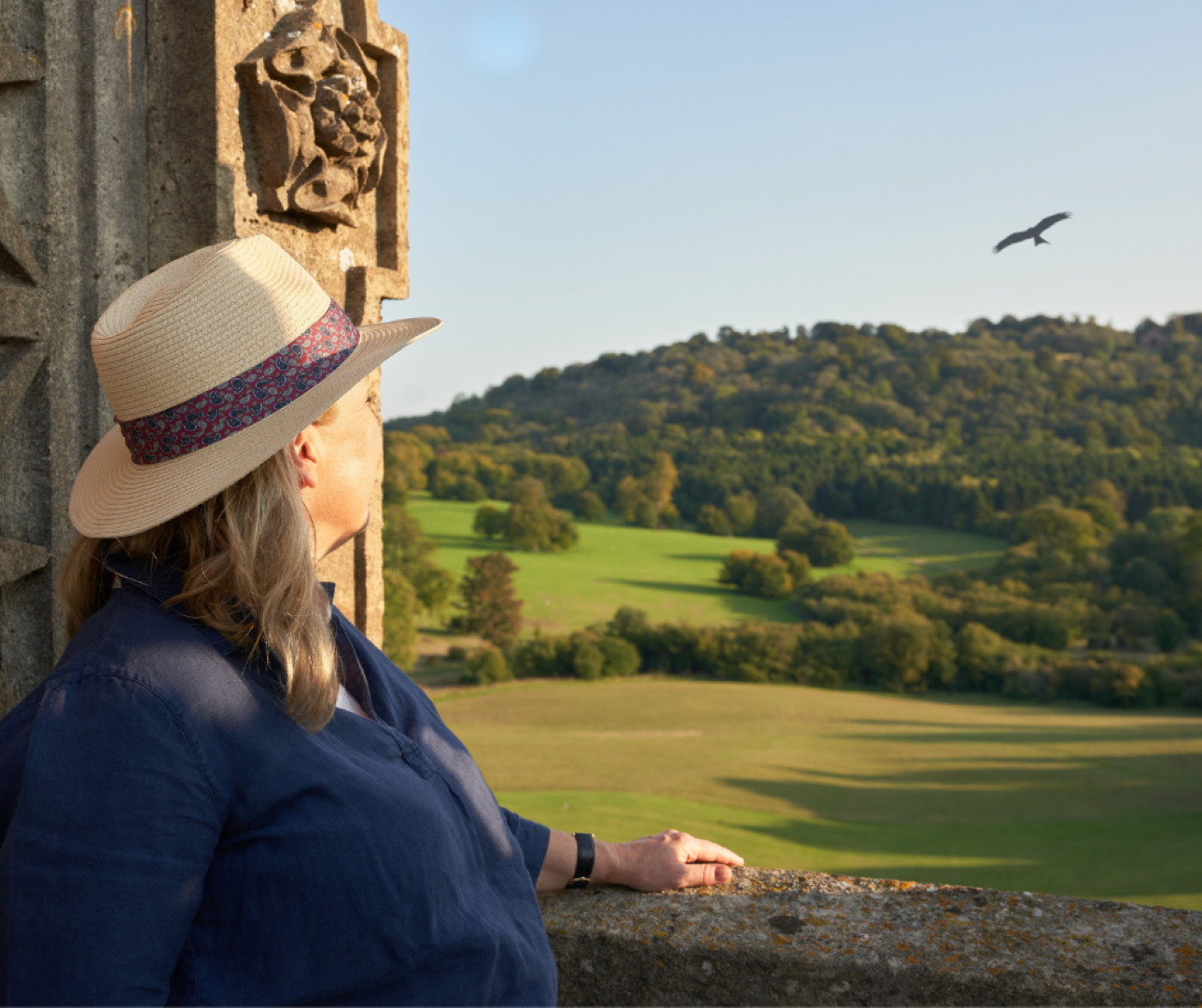
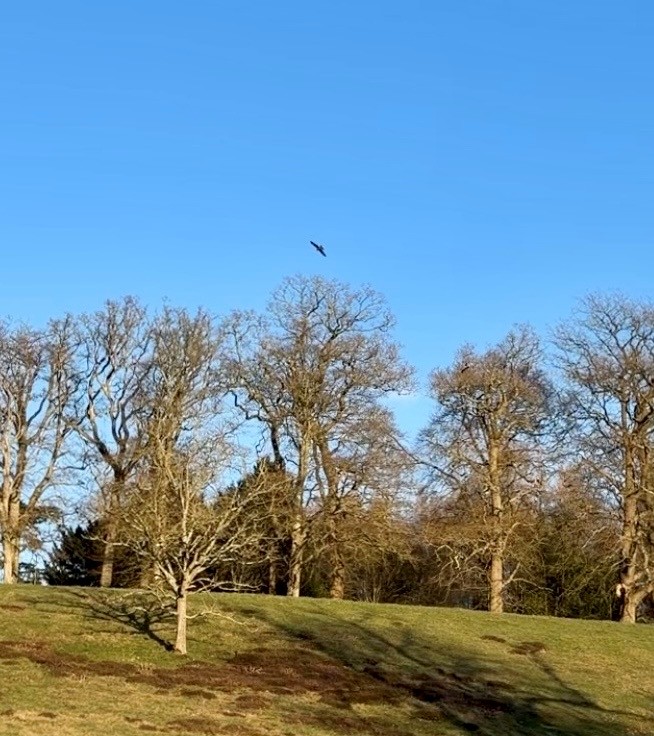
Circling effortlessly above the Castle, the graceful bird of prey is unmistakable with its long, outstretched wingspan, feathers fanned out to catch the breeze.
Not so long ago red kites were almost extinct but, due to a determined reintroduction programme, they have made an astonishing comeback in the UK. With their reddish-brown body, angled wings and deeply forked tail, they are easy to spot and then hear with their distinctive call. They have a seemingly languid approach to life, never appearing to be in a hurry as they scavenge for food- the remains of other wildlife meals. With their astonishing eyesight, they can detect movement from hundreds of meters up and identify possible food items from well over a kilometre distant.
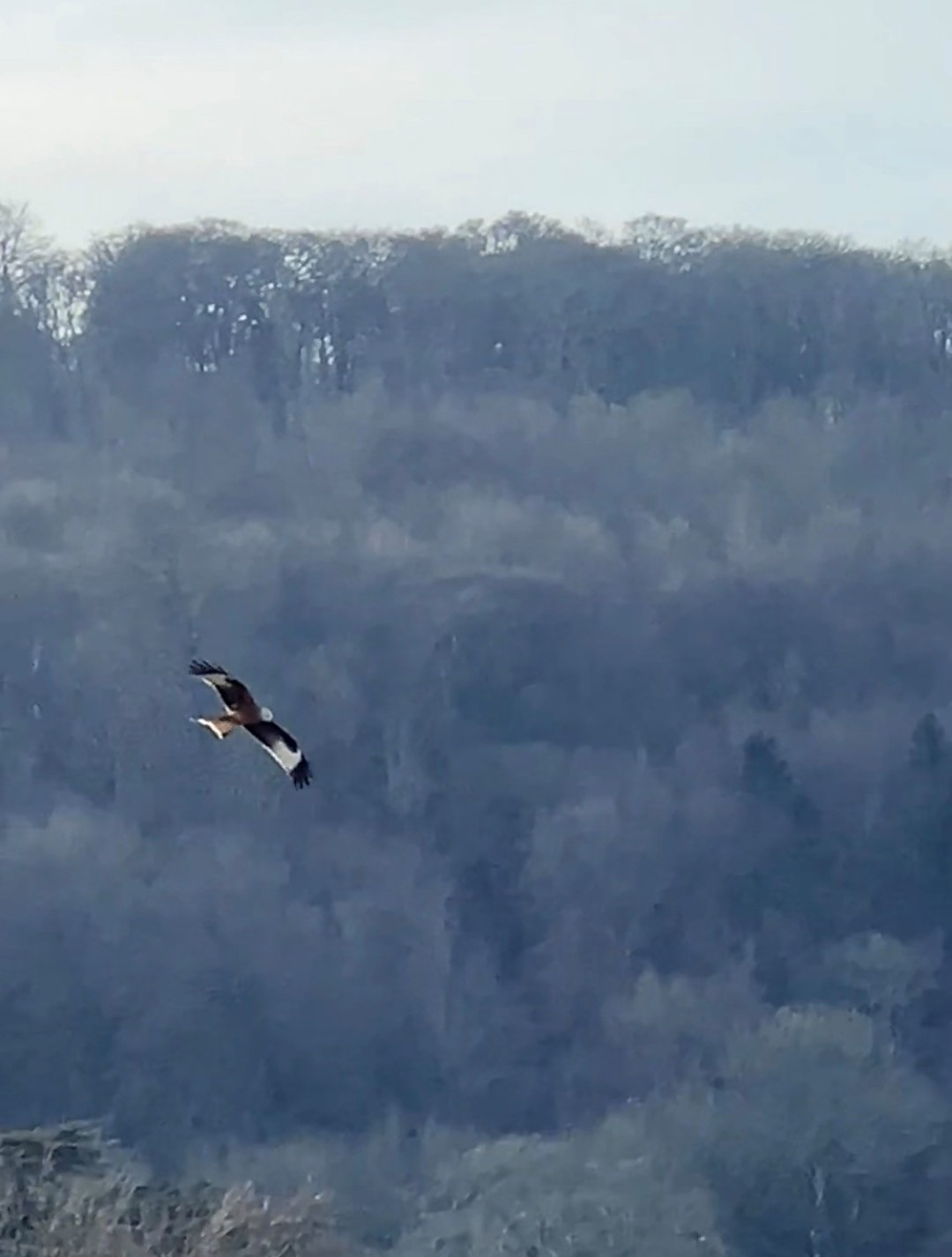
Whatever is happening at Highclere or in the wider world, I always find it intensely relaxing to watch the slow measured flight of these birds, their leisured grace. Sometimes I can even spot them high up in a cedar tree. Unlike us, they use what the world offers for free and take nothing from it.
Throughout industrialisation, humans have used the earth’s resources with an almost carefree enthusiasm, carelessly emitting the consequences, toxic or otherwise, back into the world all in the name of progress or profit or both. This is often entirely at odds with the balanced circularity of the natural world which is increasingly struggling to maintain its equilibrium because we are too careless.
The one thing we all share, and that is free throughout the world, is the wind, the rain and the sun - the natural climate, even if they are becoming ever more extreme as we are constantly reminded of both by observation and science.
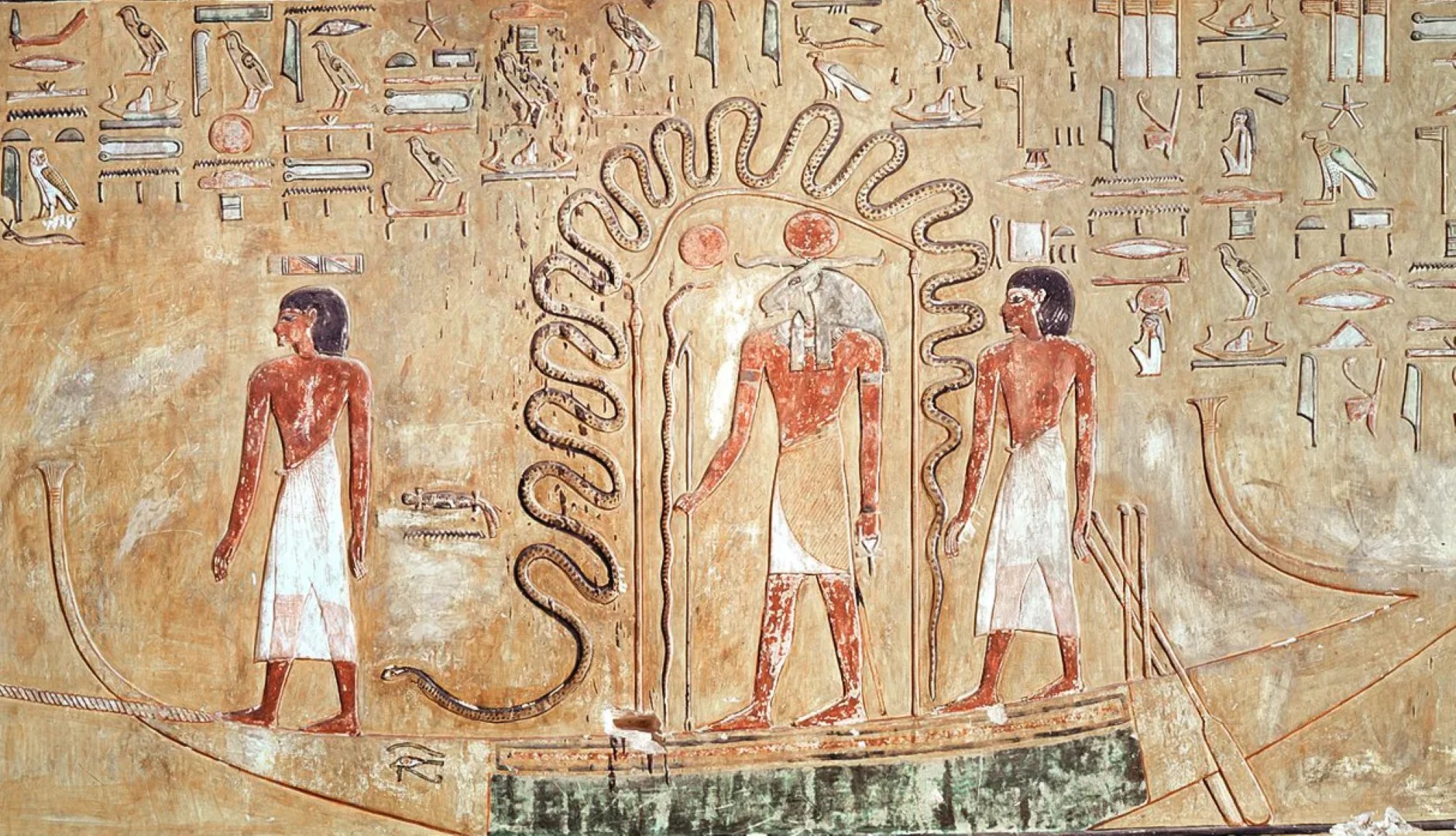
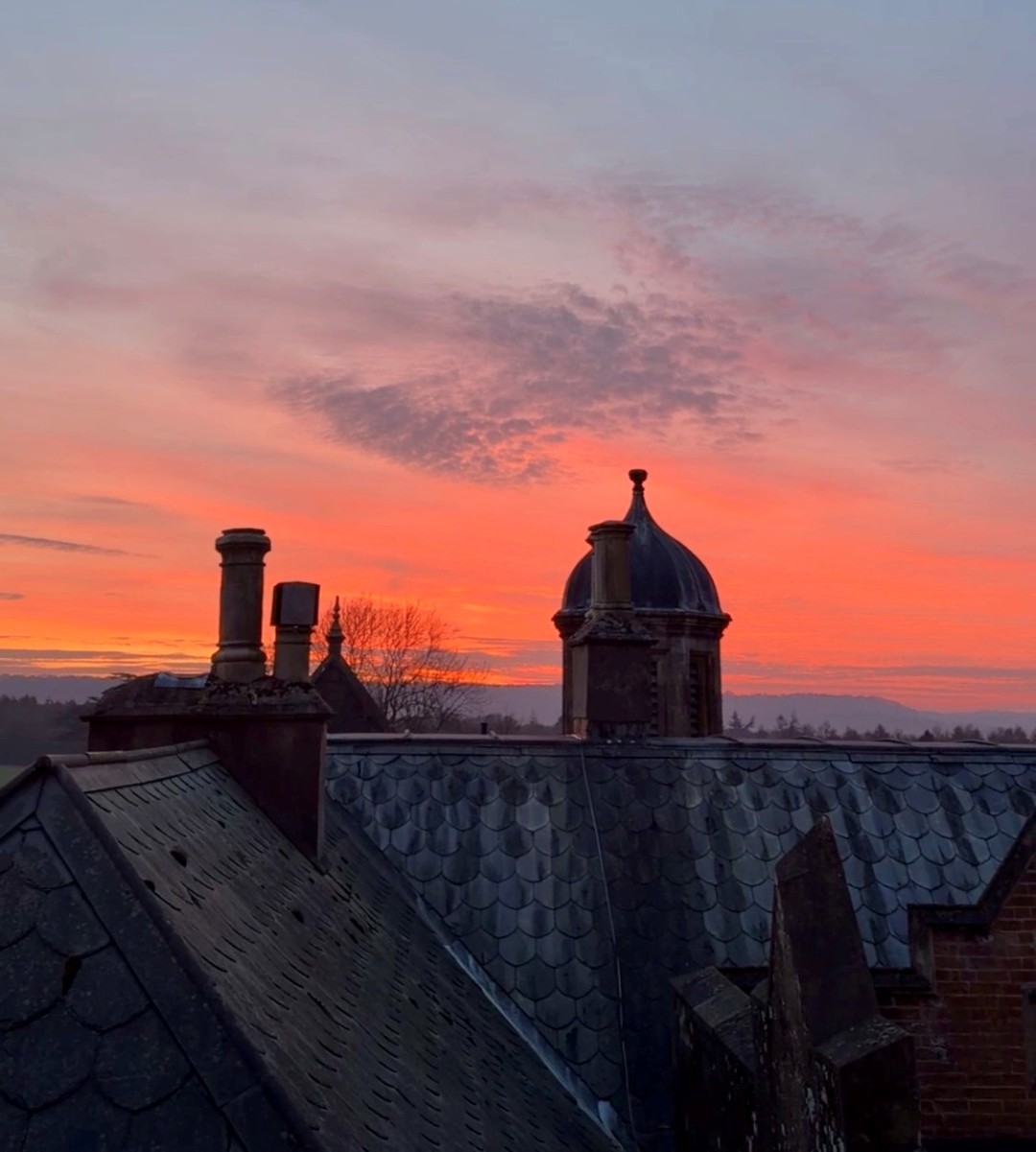
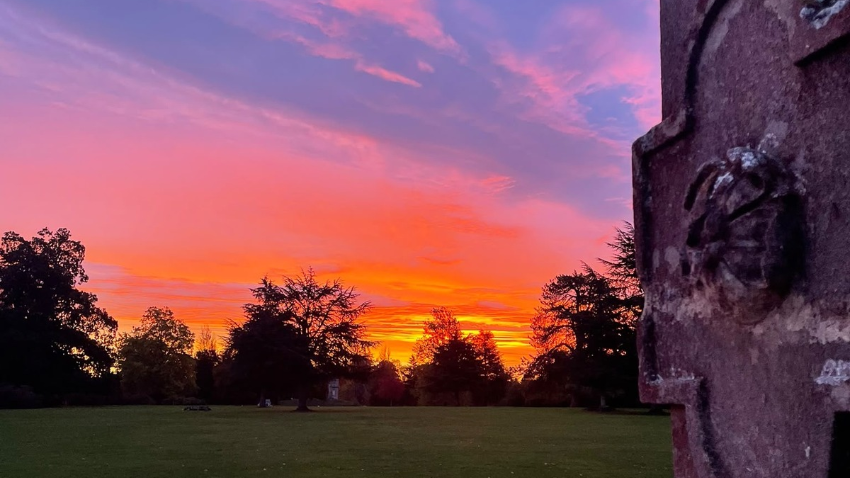
In the UK, we spend much of our time watching the rain and looking forward to much needed sunshine. The sun was central to the ancient Egyptian world which lasted more or less successfully for at least 5000 years. According to Egyptian myth, when the sun God Ra became too old and weary to reign on earth, he relinquished his role and went to the skies. Ra was said to travel through the sky on the sun ‘barque’ (ship) providing light to the world.
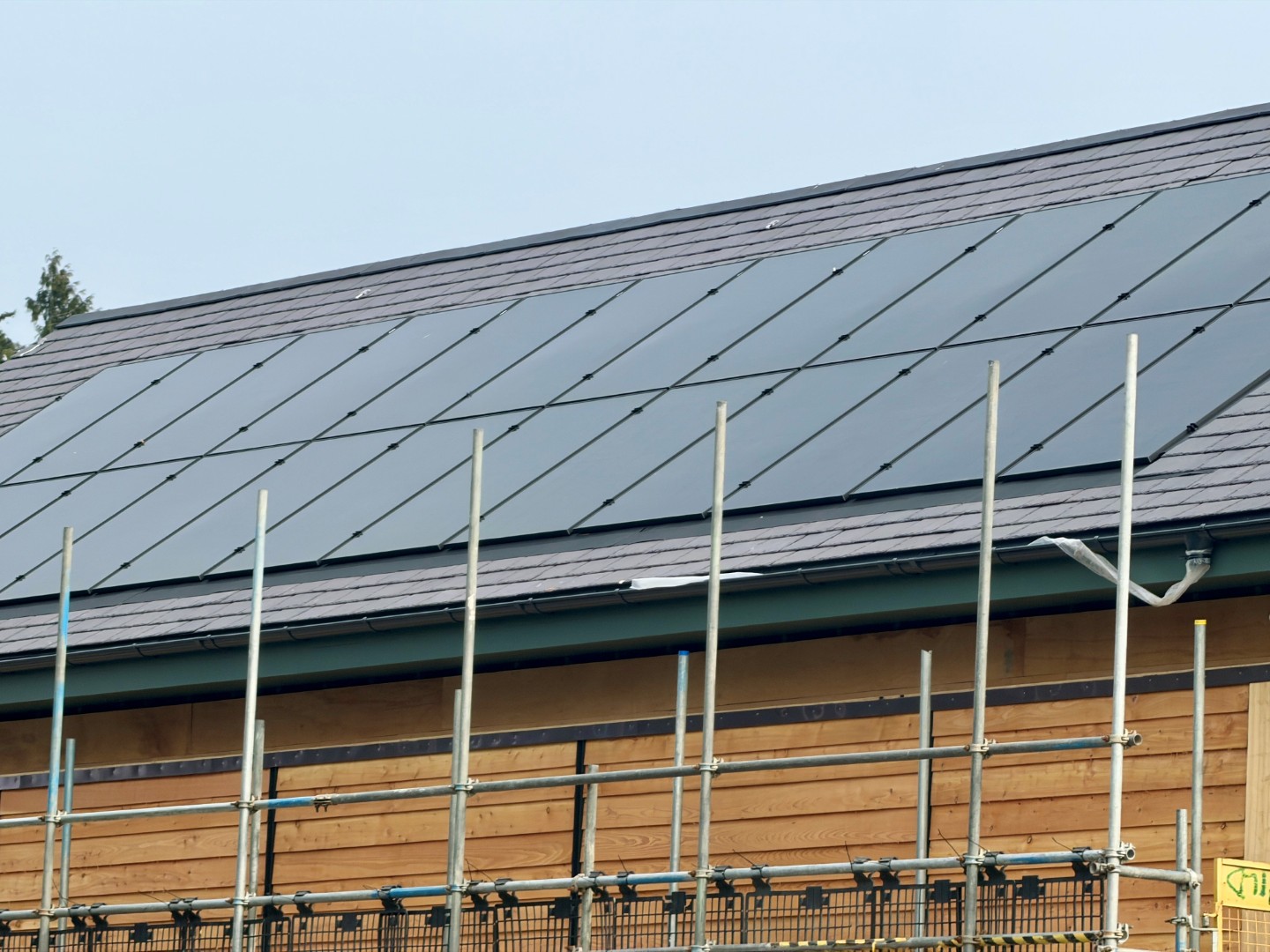
The sun rises and sets every day even if we cannot all see it. It is a free resource and many of us try to take our own small steps to tread more lightly on this earth by putting in solar panels to utilise this resource. By placing them on the roofs of houses, sheds, outbuildings and along the edge of built-up areas, they allow us to save some of our own energy costs, help to reduce the pull on the national grid and in some cases even add back to the grid.
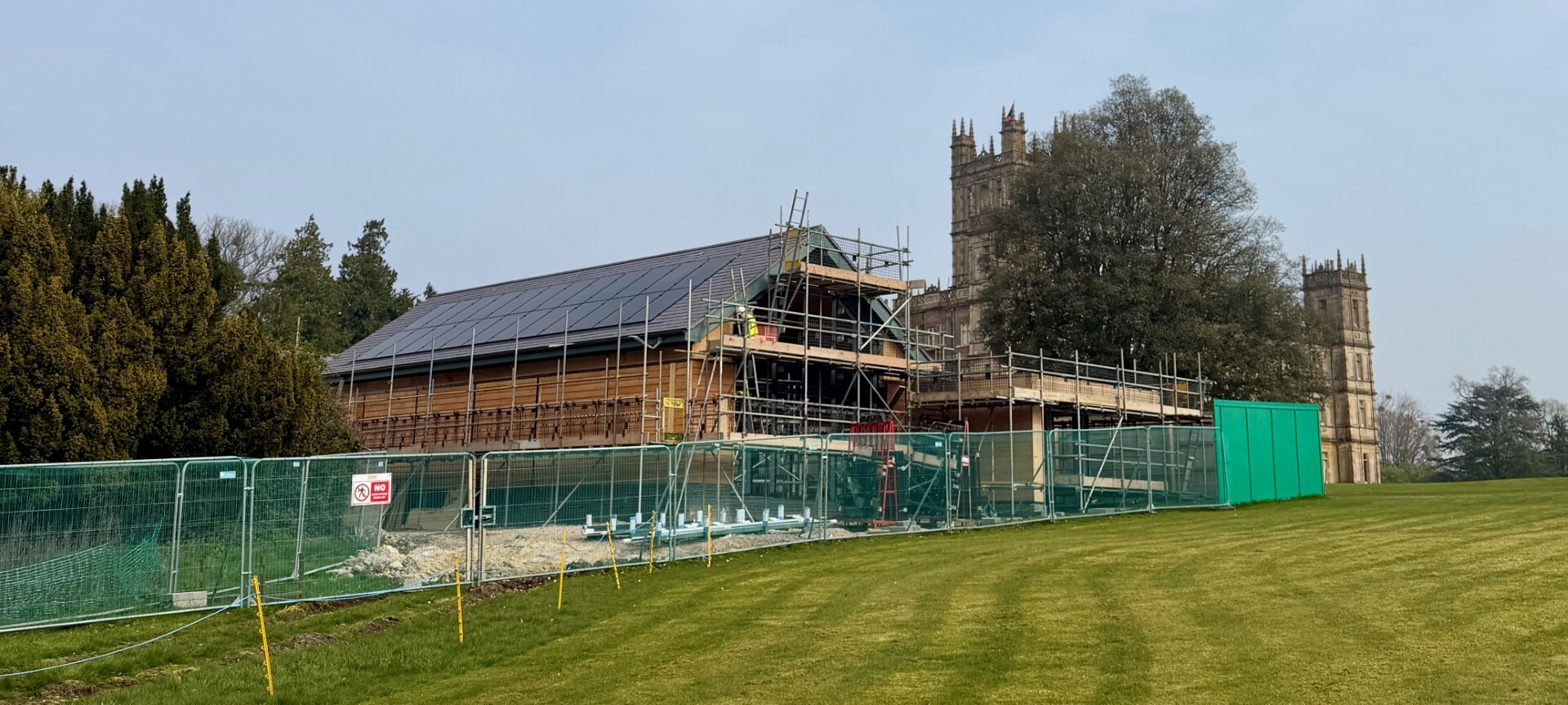
We have been allowed to include solar panels on our new Viking Pavilion, and I think they look incredibly smart. Would it not be an enormous change for the positive if we were all allowed to add solar panels to many more outbuildings, garages or house roofs without the endless expensive planning contentions and huge bills that are garnered en route to gaining the necessary permissions. Obviously, anything that would provide an vast eyesore should not be automatically permitted but for lesser buildings or additions to what is present I think the rules could and should be relaxed - it should be a matter of course.
Such small-scale projects around individual people's homes would not merely help them reduce their energy bills but help not use up valuable fossil fuels. It would decrease and mitigate the amount required from the national grid which appears to be permanently stretched. Today’s solar panel cells don’t even need direct sunlight to work – they can still help on a cloudy day which is essential in the UK.
This should be seen as investment in this country, reducing household bills both short term and long term when everyday costs are spiralling. It is called energy resilience but unfortunately, the planning restrictions mean that many can never afford such an easy step.
South facing homes are sought after for the light and emotional positivity offered by the sun - it transforms our mood, but they could also provide so much more. Sometimes I think it would be helpful if we too could find the grace and balance exhibited by animals or birds such as the red kite.
23 Comments
Marvelous circular post that tied everything together in the end.
Solar panels on homes are one thing...government can't tax the sunshine or "cloudshine" as the case may be in England.
We pay VAT to buy them!!!
It's great that you've added solar panels to the Viking building. We have 14 solar panels on our home, and they have made a dramatic difference in our electrical expenses,
I am sure they do help - Solar panels near where needed would help so many householders !
Yep the red kite a very graceful bird and a massive
wing span and to float down silently onto its prey
But they are scavengers of course
Lady Carnarvon,
Birds like your red kite do indeed provoke a little envy with their freedom to choose and go where they go! And your solar panels capture the rays of sunshine quietly and without harm to us. We can’t turn the clock back, but we do have ways to save our civilization in small and worthy ways. Thanks for a wisp of a breeze and the cry of the red kite!
Martha.
Thank you!
Beautiful post! As one who works with injured bords of prey in the US it is a sweet inspiration to my morning. We can be better, more thoughtful human beings everywhere. Thank you.
Humans can be kind
So very interesting to read l love all the various birds around this time of year
Thank you so much
Lovely the pictures of Ra and did you and lord Carnarvon have a wonderful weekend and lam fan of Downton Abbey and highcelere castle
We, in West Texas, have a fairly rare Kite, the Mississippi Kite, Their favorite meal is the ever present Cicada. It's pretty amazing watching the Kites doing slow wheeling turns until they spot their next meal, then diving straight down at unbelievable speed.
They are extraordinary
The red kites are such graceful birds and a joy to watch at any time as they glide gracefully across the skies. How wonderful to see the huge progress on the Viking Pavilion and that you were able to add solar panels. A wonderful invention to reduce our reliance on fossil fuels. How long will it be before the Pavillon opens? Such an exciting project for Highclere. Wishing you and your family a wonderful Easter .
It should be ready this autumn
Ah, solar cells. We have solar cells, a house battery and a plug-in hybrid car. We live in a sunny part of Australia, so electricity bills are zero is summer and small in winterl Car running costs around town are zero. Oh, that the country would wean itself off oil!
How amazing!
We added extensive solar panels to our roof in rural Washington State 3 years ago. Thank goodness we do not have to ask permission for such a common sense approach to using the power of the sun to heat and cool our homes here. The money savings are substantial! Happy you have been granted permission to use them on the Viking building!
Wonderful articles. Thanks
Dear Lady Carnarvon:
Thank you for this Monday's blog.
I look forward to seeing the completed construction project.
Perpetua Crawford
Leave a Comment
- Christmas
- Community
- Conservation & Wildlife
- Dogs & Horses
- Egypt & Tutankhamun
- Entertaining
- Farm
- Filming
- Gardens
- History & Heritage
- Daily Life
- Royalty
- Cooking
- Interiors
- Heroes
- Stories and Books
- Architecture
- Cars
- Conservation
- Downton Abbey
- Events
- Gardens & Landscape
- Highclere Castle Gin
- History
- Planes
- Restoration
- Stories & Books
- Uncategorized
- Visitors
- Wildlife
What will be in the Viking building?
Somewhere for visitors to have tea to be out of the rain or out of the sun! Far far better than the current white marquee