
Solstice
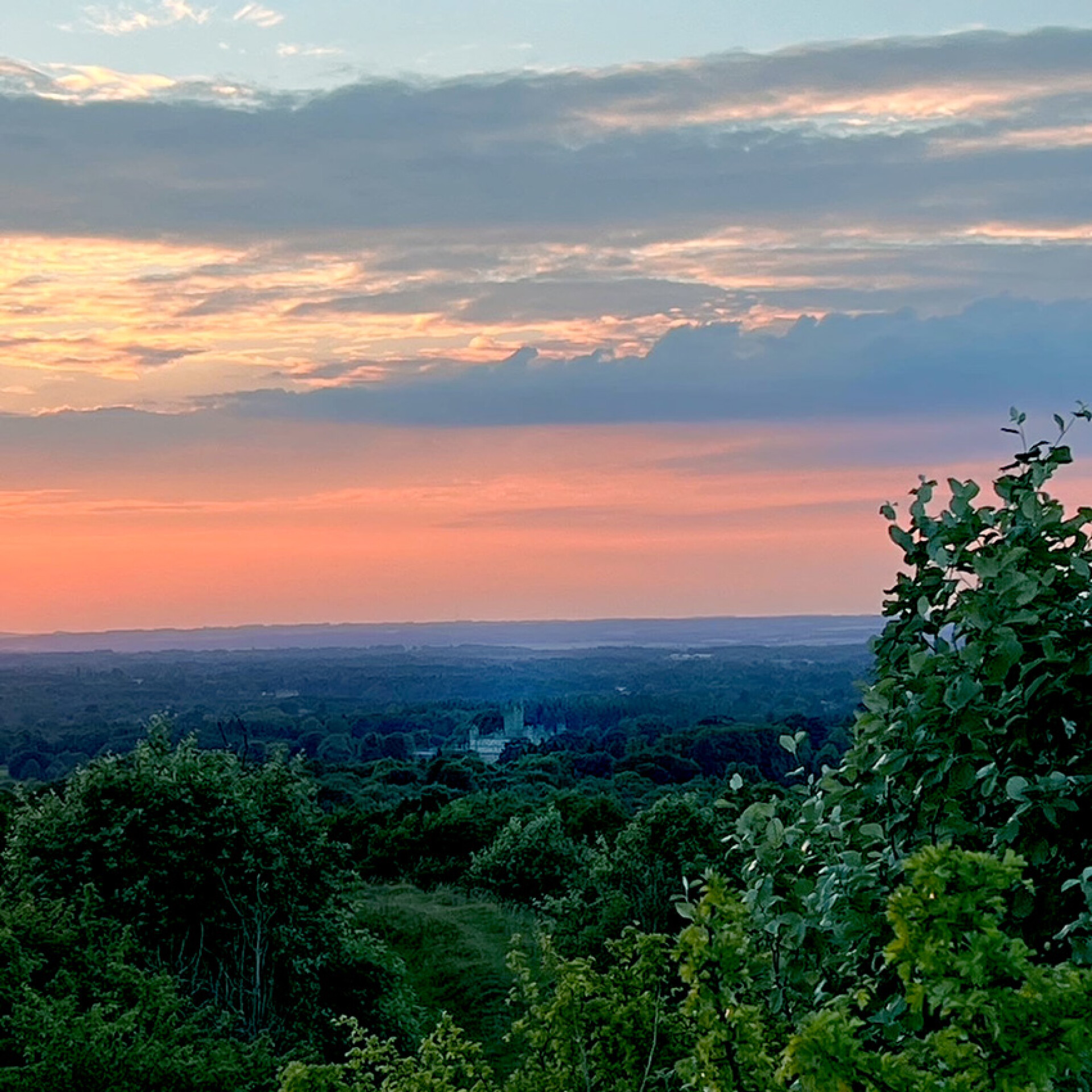
Solstice
Running round from one meeting to another, updating computer events, replying to emails, taking teams calls, missing phone calls whilst running to catch a train somewhere or popping to a shop, driving off to supper, wondering what is for supper: every day seems to be filled with a never ending stream of tasks and plans.
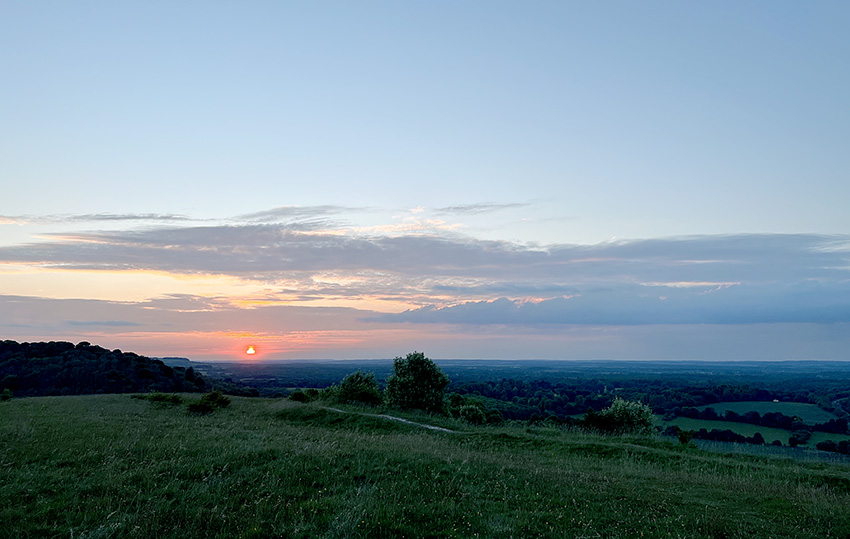
It is therefore slightly ironic that yesterday, the summer solstice, was about standing still. The 21st of June is the longest day of the year for those of us in the northern hemisphere, bringing with it the most light to fill our souls. Depending on whether you are a cup half full sort or a cup half empty, it is either a celebration of long lazy summer days or a harbinger of the short days of winter. Whichever, even now, it is still a day that is filled with myths and traditions.
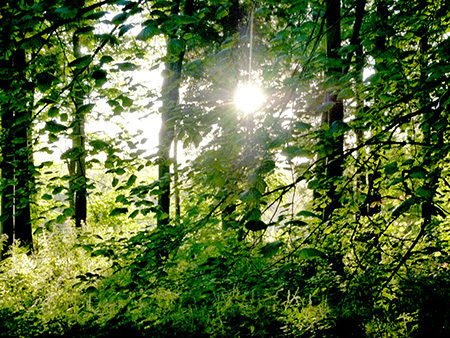
In sharp contrast to us, our ancestors were ruled by the natural progress of the seasons and stopped with respect to recognise this major event in their annual calendar. They were better at acknowledging their interdependence on the world around them – the changing seasons, the welcome summer rain, the sharp frosts, the veteran trees and the swaying young saplings, the ripening grains and the shy hare hiding in the long grass.
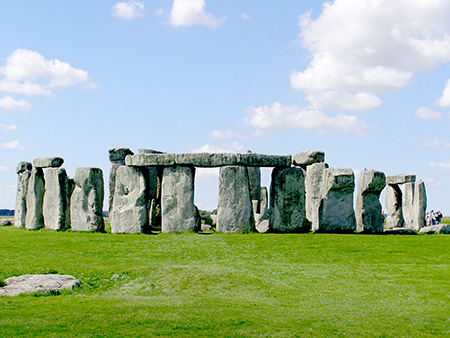
Not far from Highclere stands Stonehenge, one of the wonders of the world. We still don’t really know who built it or why although it has long been associated, with Druids (oak knowers) and the worship of the seasons, the skies and particularly the summer solstice. Recently a new earlier part of the complex has been discovered.
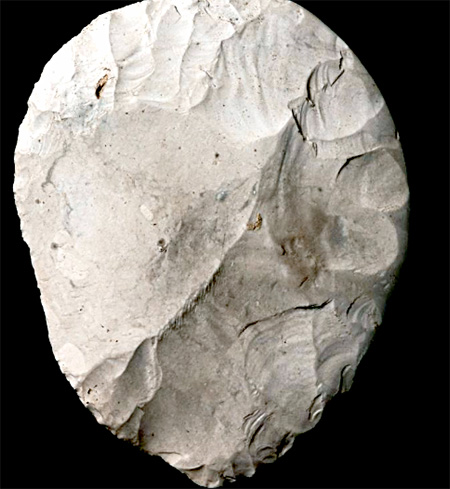
Near the modern village of Bulford two large post pits in the ground 120 metres apart have been excavated. Filled with chalk rubble rather than debris, they are surrounded by a jumble of smaller rubbish pits. The wooden posts have long since disintegrated but in 2950BC they would have lined up accurately with the midsummer sunrise and midwinter sunset. One of the pits, which it is thought might have been a “viewing station” for the solstice, contained a very rare disc-shaped knife that was deliberately placed there – possibly as a symbolic reference to the sun disc.
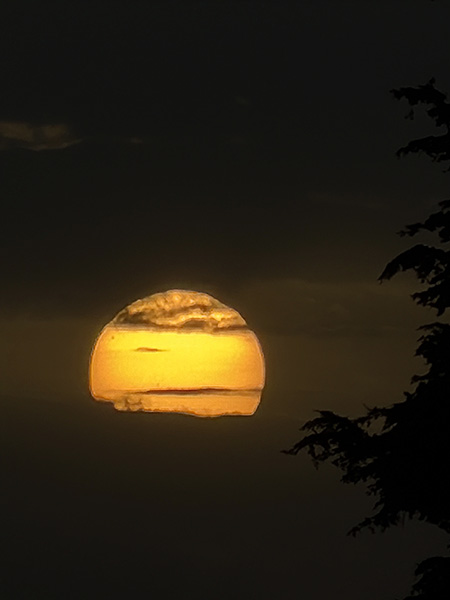
Today, experts wonder and write papers to discuss whether such places were a means of time keeping or whether they had a spiritual or religious function but, as a non- expert, perhaps such questions can be viewed rather more simply in that nature, the sun and the moon have always helped us keep time just as they still do today.
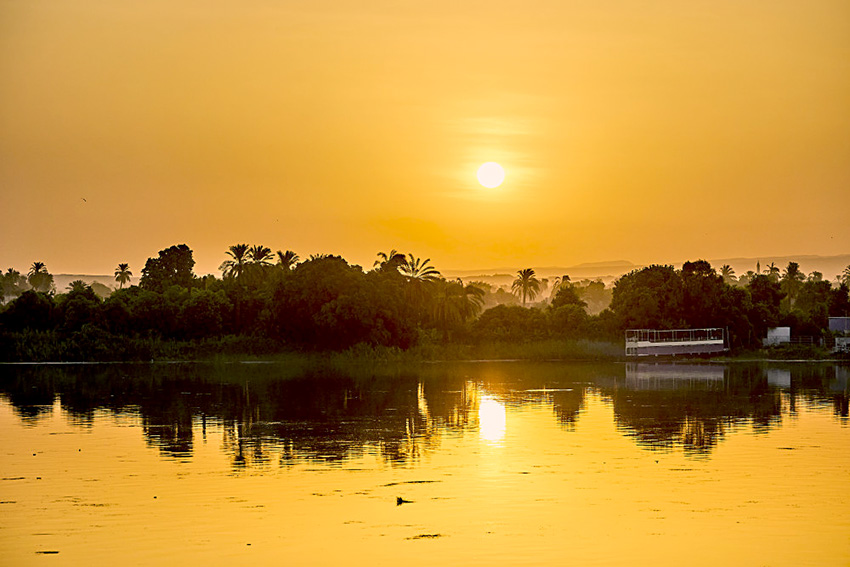
So many of the world’s buildings, from the extraordinary pyramids, to temples and colossal statues were built to try to provide a link from this world to another, either as a viewing platform or a guided route to follow. Humans never seem to stop searching for answers, even if today it is about setting off in a rocket to another world on which we really cannot live. Instead, Stonehenge with its circles, immense stones and antiquity can be rather grounding and its traditions require its followers to stop, stand still and simply wait for nature to take its course as the sun rises through the stones.
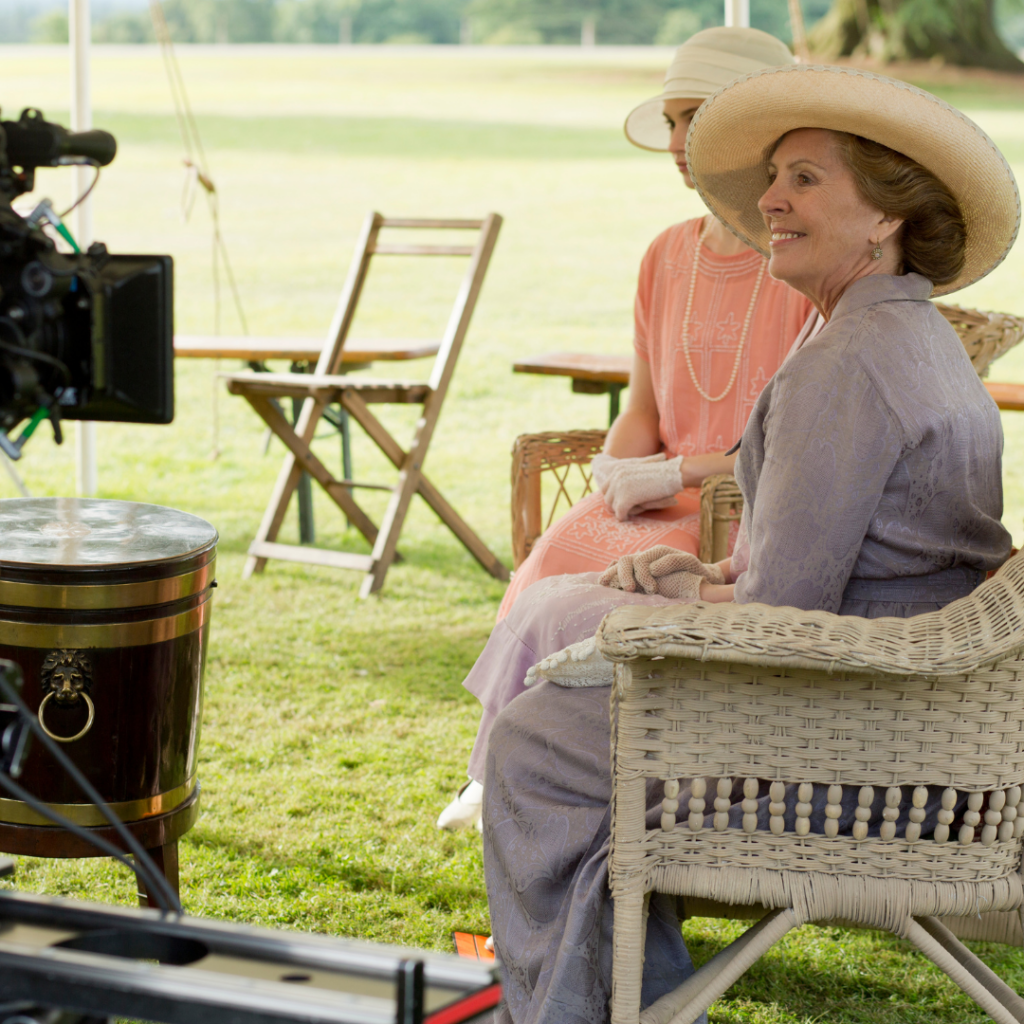
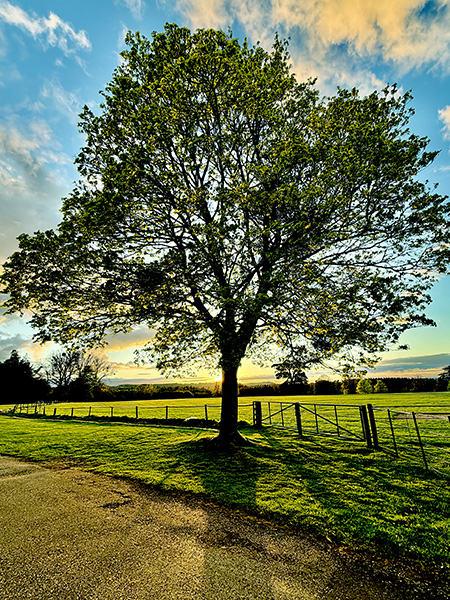
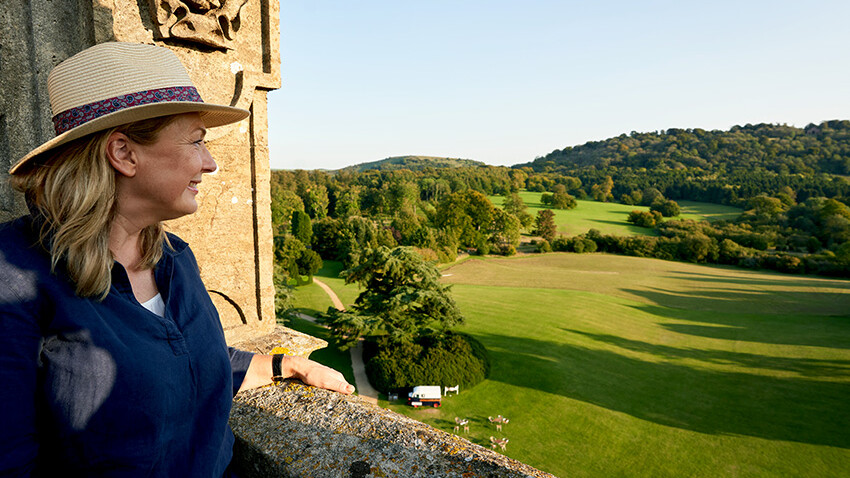
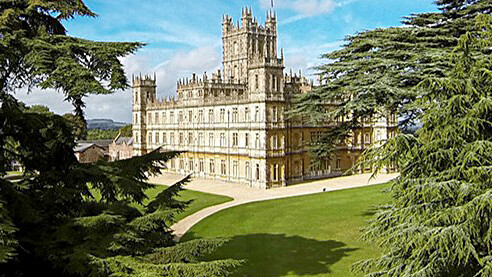
There are few better places to be on a languid sunlit afternoon than England, the lawns well watered by the spring rains, parkland trees casting welcome dappled shadows and perhaps some scones and tea on standby. It must have been not so different several millennia ago and I do hope they had their own version of scones and jam.
23 Comments
Thank you for your weekly emails! I am a huge fan of Highclere and I so enjoyed my visit there a few years back. These pictures are beautiful!
Thank you so much Sharon.
Thank you for your delightful and informative essay about the summer solstice and Stonehenge.
Thank you Vern
I truly enjoy your thoughtful insights on life at Highclere!
Thank you for your reflections and some history of ancient monuments and the solstices. I enjoy your descriptive writing and how you weave Highclere events into your posts..
Having visited Highclere and Stonehenge in the Fall of 2024 with my husband and friends, your lovely writing all comes together for me.
Thank you for another educational and peaceful Monday morning reading.
Judy I
What a beautiful piece of writing Lady Carnarvon and stunning photos.
Greetings from Switzerland!
Ich bin ein begeisterter Leser Ihrer Artikel. Herzlichen Dank dafür. Immer wieder entdecke ich interessante Neuigkeiten und freue mich schon auf das nächste Mal.
Lady Carnarvon,
The principle picture today is so similar to pictures we are able to take of our North Carolina mountains in the sunset — so beautiful in creation. The cool breezes of both climates on June 21 is a day of wonder as well as hopes for calmness in our world. Thank you for that photograph.
Martha G,
Good afternoon.
As usual I enjoyed reading your post, but I actually have a question that isn't about the post and since I couldn't find a spot to send a general inquiry I thought I would try here. I noticed that you haven't posted any new recipes in quite some time, are you no longer cooking or am I looking in the wrong area?
I have enjoyed the recipes you have shared and am interested in more.
Thanks, and my best to you and your husband.
I have begun cooking every other week on Friends of Highclere and some short versions of highlights on instagram - I do enjoy cooking which is why I did the recipe books
Thank you for your wonderful pictures and your writing which is so interesting especially as I live in Australia.
Half full? Half empty? Maybe it's just half way to another cuppa!
Thank you for your writing and I agree we should truly enjoy our planet and the season changes. Here in Australia we have the winter solstice as you have the summer
Thank you once again, for your interesting story about Stonehenge.
Your words are such a pleasant read 👍🙏
Reading your words is like enjoying a warm, soft blanket on a cold winter day. In a rather hostile world (here in the US) your weekly emails provide a sweet respite from brutal reality. It's a lovely 5 minute break that most often conveys a message of hope. Thank you!
Just wondering how your horse did at Ascot. We had wonderful coverage here and with our huge smart t.v.s it is like actually being there.Also, how are you surviving the heat wave?I will look into Friends of Highclere. Best, Judi Heidkamp in Arizona
I love reading your newsletter. It's always food for thought, but also for deep reflections and a spring of hope for all of us, member of this huge but small planet. Thank you very much.
Dear Lady Carnarvon:
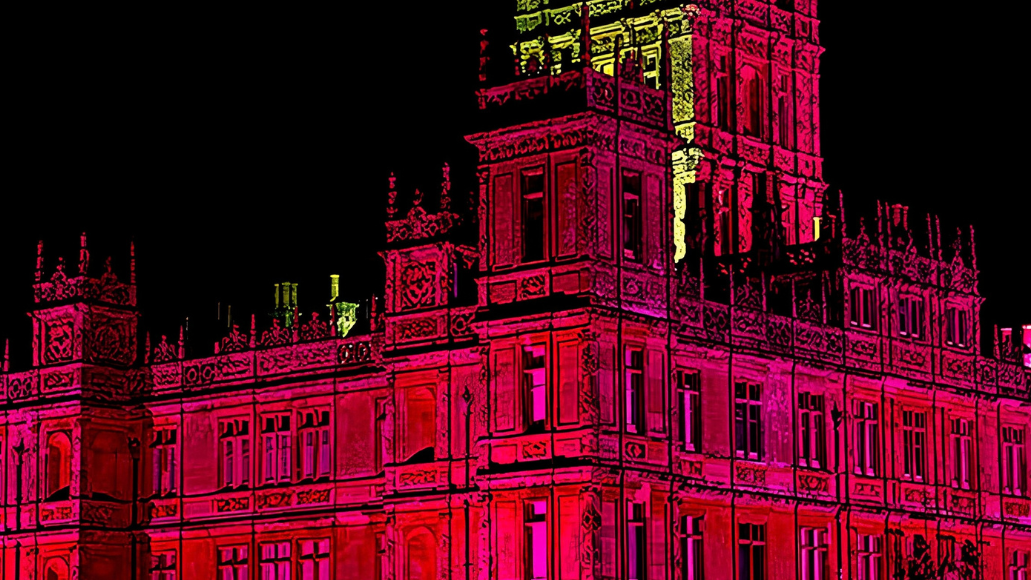
Thank you for this Monday's blog, and the very vibrant pictures that accompanied it.
I enjoyed reading the story about the Solstice and Stonehenge.
Dear Lady Carnarvon:
For whatever reason, I received this e-mail twice on the same day.
Perpetua Crawford
Leave a Comment
- Christmas
- Community
- Conservation & Wildlife
- Dogs & Horses
- Egypt & Tutankhamun
- Entertaining
- Farm
- Filming
- Gardens
- History & Heritage
- Daily Life
- Royalty
- Cooking
- Interiors
- Heroes
- Stories and Books
- Architecture
- Cars
- Conservation
- Downton Abbey
- Events
- Gardens & Landscape
- Highclere Castle Gin
- History
- Planes
- Restoration
- Stories & Books
- Uncategorized
- Visitors
- Wildlife
Lovely the pictures of solstice and did you and lord Carnarvon have a wonderful weekend and lam fan Downton Abbey and highcelere castle
Thank you Karen