
The First Cuckoo
The First Cuckoo
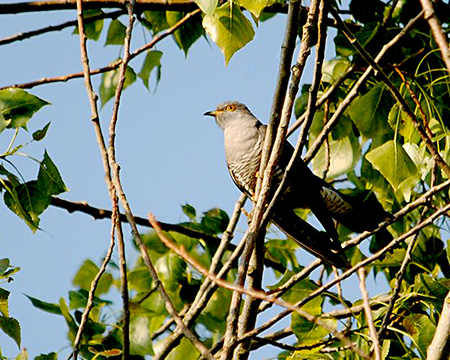
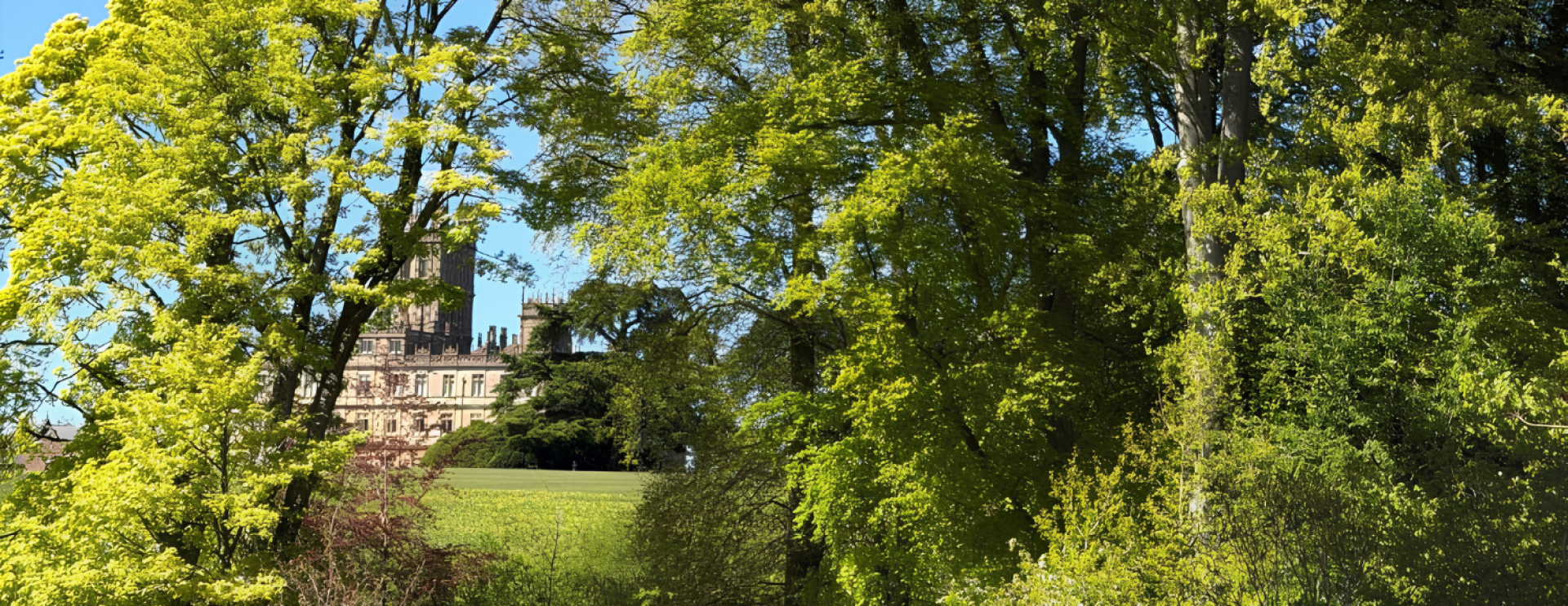
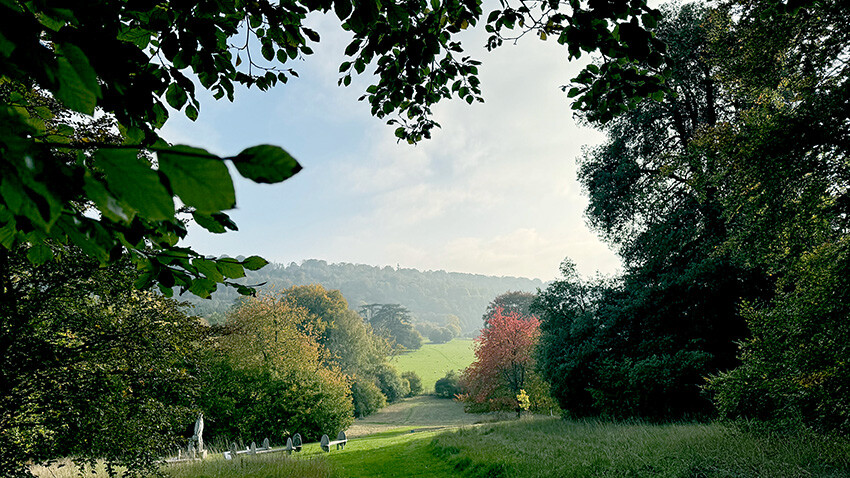
It is a competitive time of year at Highclere - who is going to hear the first cuckoo? John G works very hard to maintain his record but it is by no means an easy victory.
The cuckoo migrates north from Africa where it spends nine months of the year. Traditionally the date of its arrival is 14th April, St. Tiburtius Day, and it is the call of the male – the female makes a trilling bubbling call -which is only heard in the UK. This is also where they lay their eggs.
Sadly, these days, John G’s challenge is not just to hear the first cuckoo but to hear any cuckoos at all. They were once part of the soundtrack of an English spring and early summer, but numbers in the UK have declined by over three-quarters in the last forty years. They are now on the red endangered list, and fewer than 20,000 pairs remain. There is some regional variation, and they seem to be doing better in Scotland than down here by Highclere.
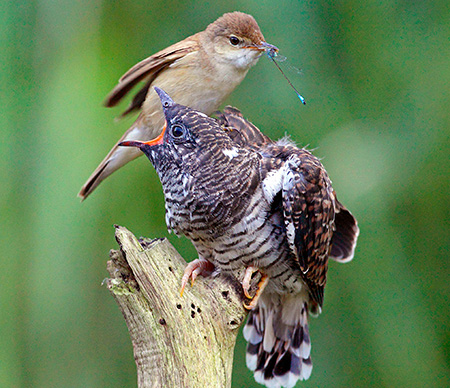
Each female cuckoo will lay between 12 and 22 eggs, all in different nests. Interestingly, they tend to opt for the nests of the same species that reared them. The female cuckoos wait until the host has left the nest, sometimes spooking the bird away, then swoop in to lay a single egg. Cuckoos hatch quickly – after just 12 days – and when it hatches its first act is to push any other eggs over the edge of the nest. The “parent birds” will continue to feed the young cuckoo, seemingly oblivious to the fact that it is an interloper even though it may grow to two or three times their size.
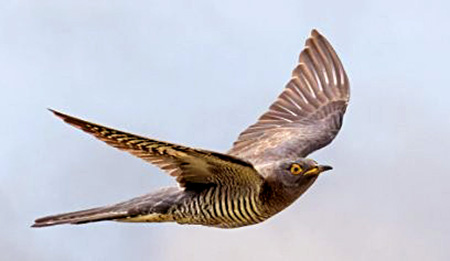
The young bird therefore never knows its real parents and has to find its migration route entirely on its own. Each bird must therefore have an inbuilt “sat nav” gene since they seem to know how to fly from the UK to the Congo each year. They fly up to 60mph and on migration can fly over a mile above ground level, but the journey is fraught with danger from desert sandstorms, howling winds, torrential rainstorms, hunters and predators.
Their long, narrow wings are capable of strong high flight but before they set off, they eat as many of the larger insects and caterpillars as they can, storing fat in their throat pits, arm pits and in loops around their stomachs and thighs. Whilst they sometimes fly south over Italy or down over Spain and the western edge of Africa, they always return flying north.
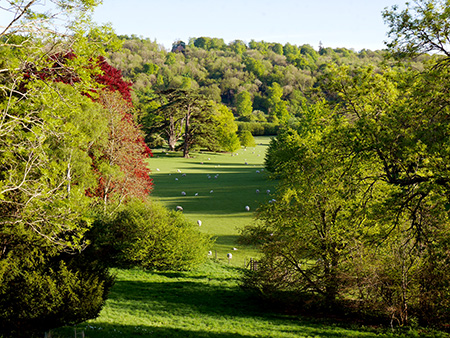
It is said that “the cuckoo comes in April, she sings her song in May, then in June another tune, and in July she flies away.”
It seems so sad that Cuckoos are disappearing - they have played a role in human culture for thousands of years. In Greek mythology they are sacred to the goddess Hera whilst in Celtic folklore they were a powerful symbol associated with the changing seasons, the Otherworld, and both life and death. Hearing a cuckoo for the first time while holding money was thought to bring financial prosperity for the year and some people would turn over the coins in their pocket and spit on them to secure this luck. Being in good health when hearing the first call was an omen of continued good health.
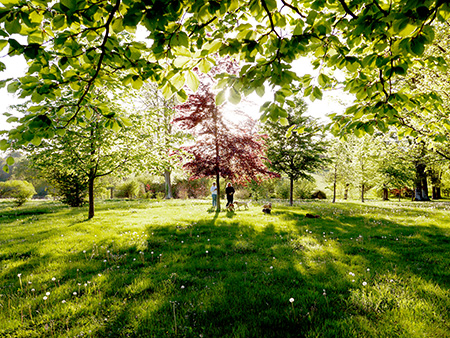
Frederick Delius was an English composer who famously composed the piece of music “On Hearing the First Cuckoo in Spring “. This opens with a slow three-bar sequence; its first theme is an exchange of cuckoo calls, first for oboe then for divided strings. The second theme is scored for first violins, and is taken from a Norwegian folksong, "In Ola Valley" before the clarinet returns with more cuckoo calls. Delius spent some of his life tin the USA, as well as time in France and Germany, perhaps a migration path of his own.
My father was a company doctor and on the board of several different companies, one of which was based in Switzerland. He travelled a great deal and every so often when he came back, he would bring us presents. In particular, I remember the brown wooden cuckoo clock he bought back from Switzerland. It lived in our playroom, and it was always a crisis if it did not work and the cuckoo didn’t pop out. I don’t remember what happened to it – like the real thing, it just disappeared.
43 Comments
Am so anxious and excited to see your birds that are new to us as we visit fron the US in June. Maybe even a Cuckoo??
Here in the United States, it's the robin that is a harbinger of spring. Although I live in the deep south, so robins actually live here year around.
Our robins are a completely different bird than the English robin. They are much larger and different plumage.
My spring excitement is the arrival of hummingbirds. We put out the nectar feeders in late February/early March, and watch with great anticipation.
Same with a Cuckoo clock my sister brought back from Germany, don't remember what happened to it. I think it broke.
My father was in the Army and we lived in Germany for a few years. This was way back in the early 70s and my parents still have some beautiful clocks.
I bought mine from the Black Forest on a trip about 15 years ago and this past Christmas my sister and I went back to Germany while on a Viking cruise and stopped
once again at the Black Forest to marvel over the beautiful cuckoo clocks there. Mine? I still have it of course but never have it "on"....a very nice gentleman that
works at the shop we visited told me how I should maintain it and I am meaning to get back to it and start it up again! Mine plays two different songs - I can't
remember what one is but the otherone is "Edelweiss" as the little boy and girl dance around. Very sweet.
Lovely the pictures of the first cuckoo did you and lord Carnarvon have a wonderful weekend and lam fan of Downton Abbey and highcelere castle
As always, your storytelling has engaged me in the flight and plight of the Cuckoo. A bird rarely seen in the US, sadly like many other species numbers are dwindling.
Cuckoo | The Bird That Outsmarted Evolution | Classic Wildlife Documentary, I do hope for John G's success in capturing the inspirational call of the Cuckoo at Highclere.
I am so glad and thank you- John would be delighted !
How sad to think of the decline of so many wonderful birds in our respective countries. They bring us such joy and their song lifts your spirits in the mornings. I hope Cuckoos will return again in greater numbers to Highclere as your grounds offer them such wonderful nesting opportunities. Thank you for another most interesting early morning read.
They really do. I hope so too, thank you for your comment
Lovely, informative article today! Thank you for always finding something interesting to write about & share with us!
You are kind !
What a lovely piece of writing about the cuckoo!
We heard our first one of the season here in Switzerland the other day.
My Mum, who was a real nature lover, taught us the cuckoo rhyme as children - how lovely to come across it again!
I really enjoy your weekly blogs Lady Carnarvon - thank you and warmest wishes from the South of Switzerland
Thank you for the lovely reminder of Spring. I still have my cockoo clock reminding me every hour of days in the Black Forest.
They are such fun and entirely magical !
I enjoyed reading this. I don't know that I've ever heard a cuckoo. Your writings are so nice and I love the pictures. Thank you.
Thank you for your kind words
Lady Carnarvon,
What an interesting piece you wrote for us to enjoy. I learned quite a lot more than I knew about Cuckoos. It was entertaining, informative and sad all at the same time. May the Cuckoo be the Raven for Highclere and always be a harbinger of stability.
I just looked it up because it has been a long time favorite, and discovered that La Paloma (the dove) is one of the most recorded songs in history!
What a lovely , heart lifting piece! Such a welcome change from the wearisomely depressing news. Kathy Salsbury took the words from my mouth. I echo her.
Mondays aren't Mondays without your interesting and beautifully written contributions.
You are more than kind
I feel very privileged to have heard two cuckoos in different woods in the Surrey Hills this week - a wonderful sound of spring.
It's always fascinating to learn how animals and wild life have evolved in order to survive. How very sad that the population of this beautiful, wonderful creature is diminishing.
We too brought our children a cockoo clock from Europe! Sadly, it basically wore out but it was a fun reminder of a famous bird and fun trip. Thank you for always
coming up with an interesting topic to write about, and always so well written.
Happy Spring!
I remember listening for the first cuckoo in my childhood days but sadly I dont hear them any more so sad to think we may loose this species.I loved you piece about the cuckoo so interesting
A super interesting story. Thank you for sharing it.
I have been studying different species of birds recently and cuckoo hadn't appeared. Frederick Delius
I had not become familiar with either. He has now been added to my playlist. Your posts open my eyes &
ears to new & delightful music & sounds. Spring is in the air.
Very interesting. Thank you Lady Carnarvon🥰
I've only heard a Cuckoo song from my grandmother's cuckoo clock. How awesome it would be to hear in the wild.
I follow a YouTube channel, "The Mindful Narrowboat" & she was moored somewhere & managed to get a cuckoo call on her video. She was so excited. She also advised that they were now red-listed. How sad.
Thank you for this wonderful piece. I hope you hear one soon!
Cheers,
David Attenborough had a great show of this happening, on National Geographic, years ago, and I was flabbergasted at seeing a cuckoo
bird with an egg on it's back dumping it over the side....just unreal!
Thank you for bringing the plight of the cuckoo bird to my attention. It prompted me to research if there are any here in San Diego, CA, USA. I learned that they haven't routinely nested here since the early 20th century. The only species here is the yellow-billed cuckoo, but it's different from the UK cuckoos. Some friends and I were remarking this morning about the lovely birdsong we're being treated to right now. I wish the cuckoo were among them!
So lovely,as always Lady Carnarvon,hope the dogs are well.
Best wishes Barbara James
Lady Carnarvon,
This is another thoughtful reminder of how our earth is almost losing some of its most valuable creatures. Thank you for reminding us of this lively bird and its pleasant, cheerful song. I hope John G is not too disappointed! I hope your weather is good for bird-watching and listening!
Til next Monday~ Cheers!
Martha G.
we live in Middx and walking through Ruislip Woods last week heard a cuckoo ...always a happy sound but I do feel for the bird
that the female has laid her egg in ,,,,!
Thank you Dawn! I just began to wonder if
nobody thought it a bit cruel on the "foster birds"
and their eggs...
Here, in northern Italy, in Veneto, every year I am lucky enough to hear the cuckoo singing and every time it is always a surprise, as if an old friend were returning!
I'm listening to Delius while I write this what a delightful piece. Our cocker, curled on the blanket waiting for our 55 year old cuckoo to announce breakfast time at 8 o'clock.Thank you for a beautiful start to our autumn morrning.
What a fascinating read - I’ve certainly learned a thing or two!
How interesting that on their birth, cuckoos empty the nest of any potential competitors.
My mother had a cuckoo clock that she purchased on her travels - oh the drama to wind it every week!
Another very interesting blog haven’t heard a cuckoo as yet this year ,thank you for such an interesting read
It would be so very nice to post a cuckoo call somehow with this post!
I posted on instgram with the call. - I had the same thought !
Dear Lady Carnarvon:
Thank you for this Monday's blog.
I do not believe I have ever heard the sound of the "cuckoo" bird.
In Michigan, the appearance and early morning song of the Robin is a sure sign of Spring.
Perpetua Crawford
Leave a Comment

- Christmas
- Community
- Conservation & Wildlife
- Dogs & Horses
- Egypt & Tutankhamun
- Entertaining
- Farm
- Filming
- Gardens
- History & Heritage
- Daily Life
- Royalty
- Cooking
- Interiors
- Heroes
- Stories and Books
- Architecture
- Cars
- Conservation
- Downton Abbey
- Events
- Gardens & Landscape
- Highclere Castle Gin
- History
- Planes
- Restoration
- Stories & Books
- Uncategorized
- Visitors
- Wildlife
I haven't heard a cuckoo for YEARS - though in my childhood I always heard them.....I hooe they can be rejuvenated & their numbers built up to decent levels once more....thanku Lady Carnarvon for your lovely blog, love from Caroline x
Thank you Caroline, I do hope so too