
The Tax Year
The Tax Year
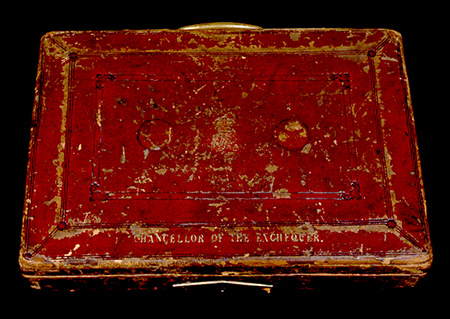
One might well ask why the UK tax year (the fiscal year for individuals) runs annually from the 6th April to the 5th April of the following year. Historically, the UK tax year began on 25 March which is called Lady Day, one of the key “quarter days” for settling rents and taxes, and ended on 24 March the following year.
The UK was following the Julian calendar, which miscalculated the solar year by a small amount which added up to 11 days in 1752, whereupon Britain adopted the Gregorian calendar and the tax year end was shifted from 24 March to 4 April to make sure the taxman’s sums still added up. In 1796,there was a leap year, which added an extra day to the calendar and the tax years was pushed forward by one more day. So, from 1796 onward, the UK tax year officially ended on 5 April and has stayed there ever since.
No one likes being taxed. It is an unpopular but nevertheless highly necessary way for governments to raise revenue. However, currently in the UK, it is slightly starting to feel that you will be taxed if you so much as sneeze. In fact, you might even be taxed if you don’t!
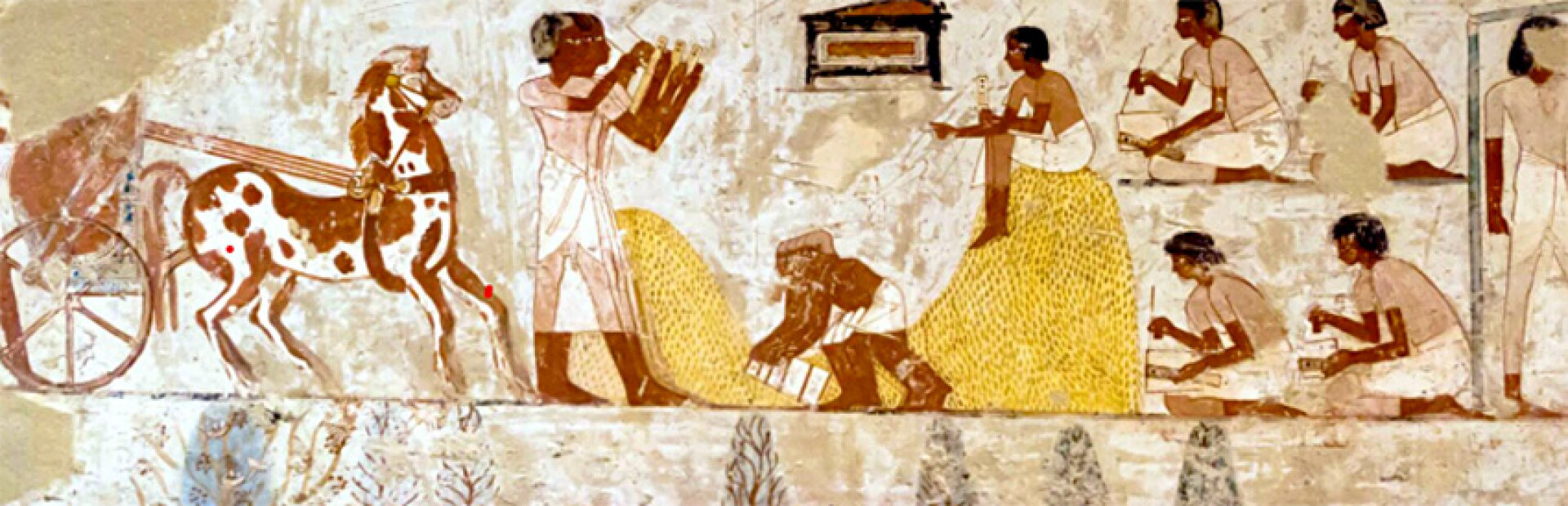
Taxes are far from new. Records for the First Dynasty in Egypt c.3,000BC record taxes that were collected in the form of payment in goods and labour, for example through commodities such as grain or livestock, oil or ceramics. Grain was of course particularly important and was then stored in government granaries for redistribution or as an emergency food supply.
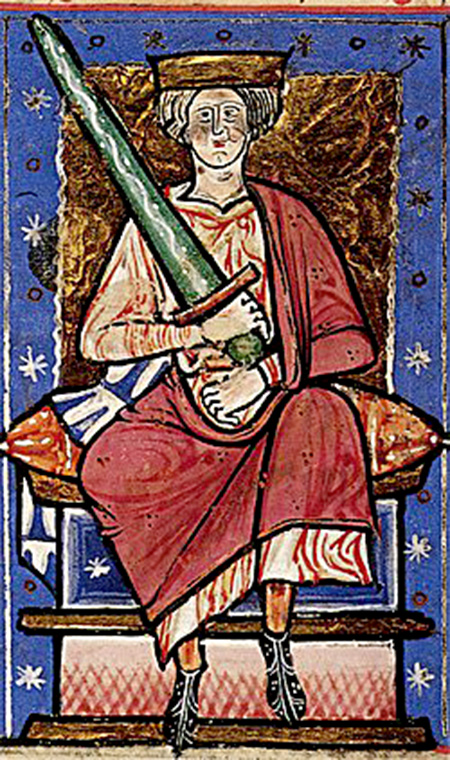
The same policies were likely in place in England in Iron Age times - obligations in terms of tribute or dues would have been collected by various chieftains. Written records in the UK really only began with the Anglo Saxons but we know that in 1012, Ethelred the Unready raised “Danegeld”, effectively a tax, to try to pay the army to defend England from the Northmen (Normans) otherwise known as the Vikings. It was a land-based tax whose unit was a hide: an area of land sufficient to support one family. The true size and economic value, however, varied enormously.
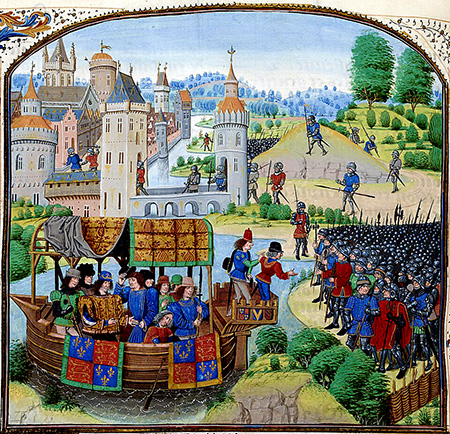
This tax continued to be collected by the Vikings even after they had won and they – the Normans - were the successful conquerors. Later, it was replaced by taxes on personal property and income. From 1188, taxes were levied at 10% of all goods and revenues to raise funds for a crusade. Then, in 1203, King John introduced an export tax on wool, whilst in 1275 King Edward I introduced taxes on wine. Poll taxes were tried out in the late 14th century and were so unpopular they contributed to the Peasants' Revolt in 1381. (Mrs Thatcher’s Poll tax had a similar result 600 years later and it led to her resignation. Politicians never learn!)
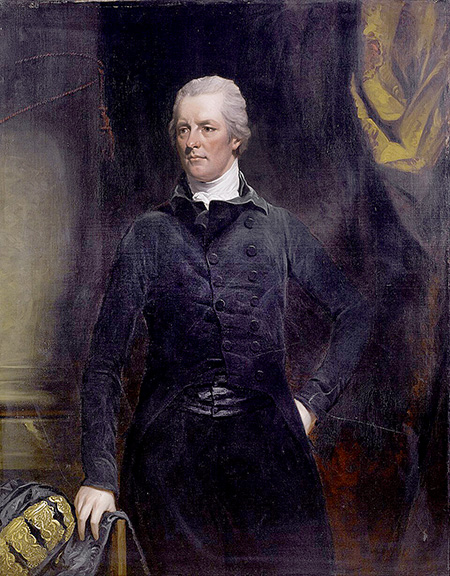
Since then, in England, there have since been hearth taxes, window taxes and, in 1783, a brick tax which was introduced by King George III to fund the wars in the American colonies. All that happened was that bricks became larger, but it lasted until 1850. More land taxes were tried out and then in 1799, the then Prime Minister, William Pitt the Younger, introduced income tax for the first time to fund the Napoleonic Wars. It was supposedly a temporary measure but unsurprisingly, deeply unpopular. Abolished in 1816 after the war ended, it was perhaps inevitably reintroduced in 1842 by Sir Robert Peel to help finance free trade reforms and has been part of the tax landscape ever since.

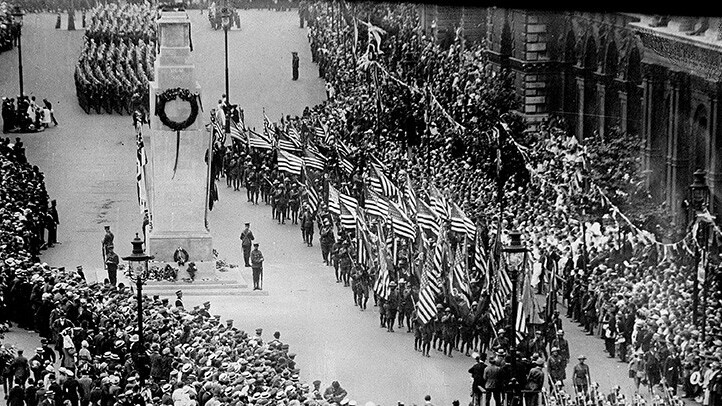
The First World War was financed by both by borrowing large sums at home and abroad, by new taxes and by inflation. Any unnecessary expenditure during this time was postponed and the government wisely avoided indirect taxation believing that such methods tended to raise the cost of living and cause discontent.
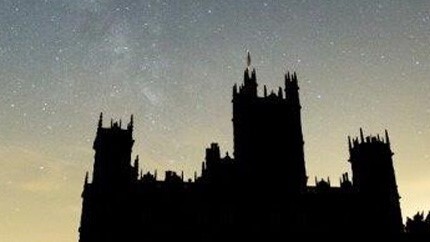
VAT became a standard form of taxation when the UK joined the EEC in 1973. Starting at 10%, it is now 20% in the UK and accounts for just over 15 percent of total tax revenue. VAT as a concept quickly spread around the world: through parts of Latin America, then from the 1980s onwards, throughout Asia and Africa. By 2022, over 170 countries had some form of it. We seem all to be under the same sky.
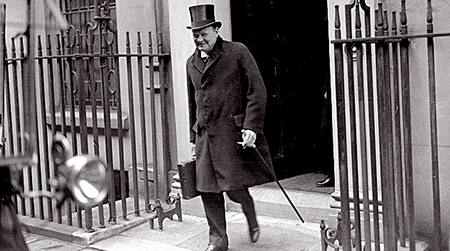
In addition, there are business rates, capital taxes, corporation taxes, inheritance taxes, Schedule A taxes, Schedule D taxes, National Insurance Contributions, excise duties, Stamp Duty, vehicle tax, air passenger tax, gambling levies and so the list goes on. The net result is that, before you have had even had a cup of coffee in the morning, you are probably paying a tax.
The latest budget in the UK raised taxes in income, property, savings, dividends and capital from which there is general gloom and little or no prospect of growth.
"For a nation, to try to tax itself into prosperity is like a man standing in a bucket and trying to lift himself up by the handle" (Winston Churchill). There is a growing feeling that, even if “the best things in life are free”, sooner or later this government will find a way to tax them.

33 Comments
Even the UK's BEATLES recorded a tune called "Taxman", included in the lyrics of which were: "if 5% appears too small, be thankful I don't take it all! and ""You're working for no-one, but Me; TAXMAN!"
they were brilliant as usual !
I was really trying to read your blog as I usually do with enjoying your clarity and diverse information until this time when you wrote, "Ethelred the Unready". I have to admit that after that, I lost it. I couldn't get past the title. Every time I tried to read the rest, I just started laughing. That poor guy, to be saddled with that title! I'm still laughing as I write this. At 9:20 PM on Easter Monday, while I'm away from Scotia, New York and here in Palermo, Italy, you provided the perfect laugh before getting ready for bed. You always amaze me with your writing. Thank you. Bueno notte.
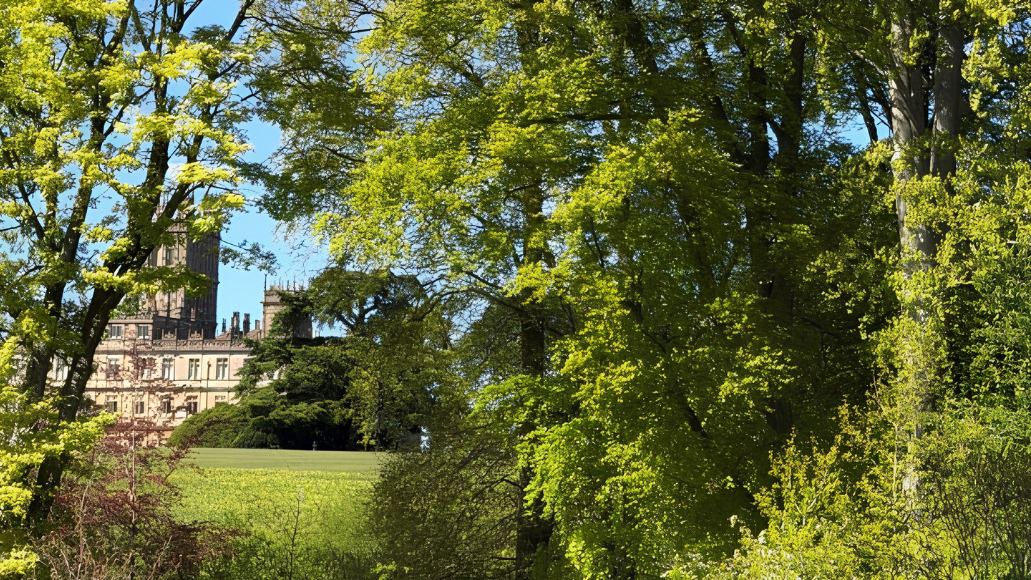
Lovely picture of the tax year and did you and lord Carnarvon have a happy Easter and lam fan of Downton abbey and highcelere castle
I did have a nice Easter thank you
Interesting read especially about the reason its 6th April the tax year starts. With the Threshold of Income tax being frozen for a number of years in past and until 2031 all of us end u paying more tax even if our income remains the same.
In fact with the state pension being increased this month mine and many other retired people can only earn another £34 before we pay tax and with small private pensions all of it will be taxed. This makes it especially difficult for Historic houses like yours to continue to raise money with visitor numbers affected from us pensioners cutting back.
It is ever harder ... no business would step forward with the plethora of idiotic short sighted ideas and no planning as do the accounts of each government!
Lovely the pictures of the tax year and did you and lord. Carnarvon have a happy Easter and lam fan of Downton Abbey and highcelere castle
Lady Carnarvon, thank you for the interesting history of taxation! Political tensions, including worldwide tariffs, aren't helping alleviate the tax burdens of many. Bravo to Sir Winston Churchill!
Bravo!
Lovely the pictures of the tax year and did you and lord Carnarvon have a happy Easter and lam fan of Downton Abbey and higcelere castle
Lovely the pictures of the tax year and did you and lord Carnarvon have a happy Easter and lam fan of Downton Abbey and higcelere castle
The tax man cometh each year with our general public income tax payable from 1 April to 31 March of the following year. As with many countries today, we feel the Government is almost taxing us to breathe. Sadly taxes are a necessary evil to keep our countries running. I think we constantly need to question what our taxes are covering though, to keep them honest. My longstanding question is why the British Government still penalises families who own historic buildings with hefty death duties. Preservation of these wonderful buildings is so expensive, but a priority. They are such an important part of our history, not to mention how much revenue they bring the country through tourism.
..
We all acknowledge that we all need to pay tax to support central national resources, from education to hospitals, defence, food and infrastructure. We need to encourage the energy and endeavour of entrepreneurs, of managers to help grow businesses and wealthy people to invest here so we all make the ‘cake’ to share bigger.
Well said Lady Carnarvon. I also love the use of the quote from Winston Churchill.
Striving to do one’s best in life to provide for oneself and one’s family seems almost
to be punished due to the politics of envy that seems to pervade this country today
it is bonkers
Lady Carnavon, such true words have never been written. It is a sad time, not only in the UK, but here in the United States. When we really consider the amount of taxes we pay, we come to the realization that we
are taxed about 43% of our income. The state of California is one of the worst for exuberant taxes. I guess you and I can just be thankful we don’t reside in that state.
Lady Carnavon, such true words have never been written. It is a sad time, not only in the UK, but here in the United States. When we really consider the amount of taxes we pay, we come to the realization that we
are taxed about 43% of our income. The state of California is one of the worst for exuberant taxes. I guess you and I can just be thankful we don’t reside in that state.
Lady Carnarvon,
It seems you’ve risen to the level of riskiness in reminding people about the history of taxation and its benefits to the victors as their ‘spoils’. It is indeed ‘that time of year’ especially in the US - March “Madness” - basketball and taxes! On the other hands, there are bright new lawns, beautiful blue skies, gorgeous colors everywhere. All is not lost!
Rather, Easter overwhelms the larger problems with the reminder that love is everlasting. Go and be ye joyful!!
Joyous wishes to all at Highclere Castle!
Martha G
Lady Carnavon, such true words have never been written. It is a sad time, not only in the UK, but here in the United States. When we really consider the amount of taxes we pay, we come to the realization that we
are taxed about 43% of our income. The state of California is one of the worst for exuberant taxes. I guess you and I can just be thankful we don’t reside in that state.
Deplorable
Dismal
Depressing
And very, very true.
And no matter how much we are taxed, our governments will continue to overspend recklessly.
Yes, "we are all under the same sky".
Yet all of us paying the taxes seem eminently reasonable. - how does it happen?
I wonder if the April 15 of US taxes is related to the April 5 of UK taxes. What I do not wonder is that no matter how much, when, where, or how we are taxed, we the taxees are never happy with paying those taxes nor with what governements do with those taxes. They sometimes do something worthwhile that we see and appreciate, too often those taxes go off into the ether and no one neither those paying it nor those receiving it have any idea where it went.
Very true !
So very interesting to read such information thank you ,
So very interesting to read such information thank you ,
What’s worst is that we pay taxes for services that are poorly managed, and a large portion of the funds is simply wasted.
That appears so in every country
Of course, I don't mind paying taxes if those are used to better the living conditions of the less fortunate in our respective countries. As an American living in Norway, I am subject to taxes for both countries. Luckily, my pension is from the US Government which, according to the tax treaty between the US and Norway, is only subject to US taxes. So life goes on, hoping that the world situation becomes better, corruption and fraud are minimized, and people are civil to each other, independent of lands of origin or the practices of religion (not that the latter has been 'saintly' in the disasters of the past, current, and potentially the future. A happy spring and summer to all from this small country in Europe.
Lady Canarvon,
To add to your interesting piece, I wanted to provide a few pithy tax related quotations from others who share your understanding of the menace, (and perhaps garner a smile or a nod of agreement):
“What at first was plunder assumed the softer name of revenue.”
– Thomas Paine
“The art of taxation consists in so plucking the goose as to get the most feathers with the least hissing.”
– Jean-Baptist Colbert
“I am proud to be paying taxes in the United States. The only thing is — I could be just as proud for half the money.”
– Arthur Godfrey
“A fine is a tax for doing something wrong. A tax is a fine for doing something right.”
– Author unknown
Yes. It is the same here in Spain... Same situation... Same feeling of money going to politians' pockets
Dear Lady Carnarvon:
Thank you for this Monday's blog.
Tax obligation time in the United States is fast approaching.
Perpetua Crawford
Leave a Comment
- Christmas
- Community
- Conservation & Wildlife
- Dogs & Horses
- Egypt & Tutankhamun
- Entertaining
- Farm
- Filming
- Gardens
- History & Heritage
- Daily Life
- Royalty
- Cooking
- Interiors
- Heroes
- Stories and Books
- Architecture
- Cars
- Conservation
- Downton Abbey
- Events
- Gardens & Landscape
- Highclere Castle Gin
- History
- Planes
- Restoration
- Stories & Books
- Uncategorized
- Visitors
- Wildlife
Taxes Taxes, don't you just love this time of the year--------NOT